 |
| An alliance is not a bill |
Looking at the international situation these days, one question can't get out of my head.
Who started the war and who should take responsibility for it.
Amid rising tensions around the world, U.S. President Donald Trump is demanding more costs and military roles from his allies. Calls for increased defense spending, warships, and even troops are becoming more and more explicit. However, there is a question that must be addressed here.
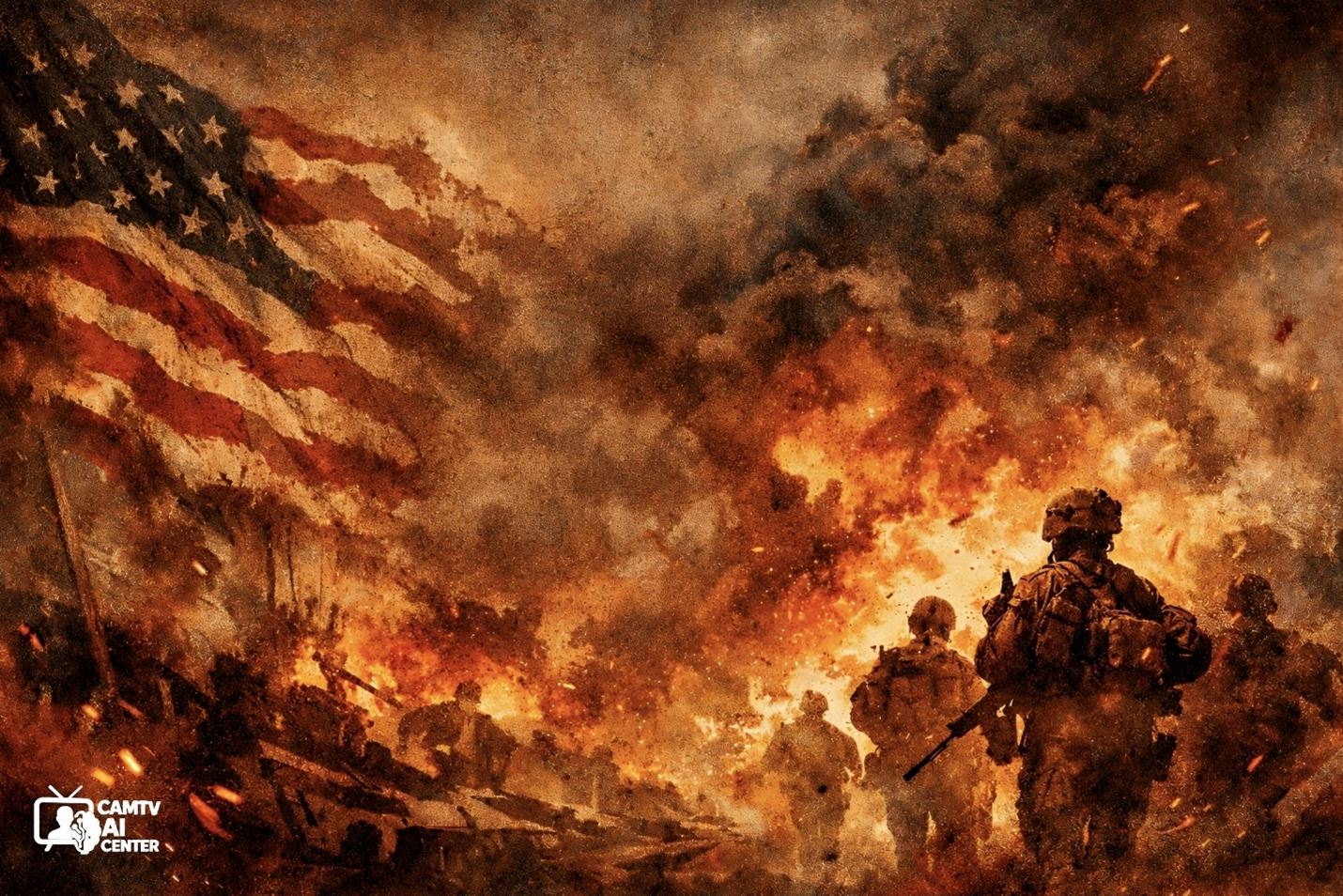
What rights do they demand 'money and blood' from their allies.
By nature, an alliance is not a relationship between domination and obedience. It is a promise of cooperation made to protect each other's security and values. However, some policy directions in the United States now give the impression that an alliance is treated like a contractual relationship that can be charged rather than a relationship of cooperation. The logic is that allies should share the cost of maintaining world order.
But where is the justification and decision-making power of war? It is ultimately the political judgment of the United States to set the direction of military operations, design strategies, and order actual action. If so, it is the basic common sense of international politics that the United States must bear the responsibility first.
The bigger problem is that these demands are not just diplomatic negotiations but are directly related to the lives of each country's citizens. Paying money means asking for the country's citizens' taxes, and bleeding means sending the country's young people to war. War begins with the leaders' decision, but it's always ordinary citizens who get shot.
The Republic of Korea will never be free from this reality either. There is no reason to deny the value of our security cooperation in the ROK-US alliance for a long time. However, a balance of mutual respect and responsibility must exist in order for the alliance to have real meaning.
The president of any country has no right to demand the lives and taxes of the people of another country as taken for granted. An alliance is cooperation, not coercion. Moreover, when it comes to serious issues such as war, the will and democratic procedures of each country must take precedence above all else.
The true leader is not the one who escalates the war, but the one who finds a way to stop it. Before demanding money and blood from your allies, it will be the leader's role to consider responsibility and moderation for peace.
Alliance is not a bill.
And people's lives cannot be negotiated.
Moomkyo-Kim cambroadcast@naver.com